
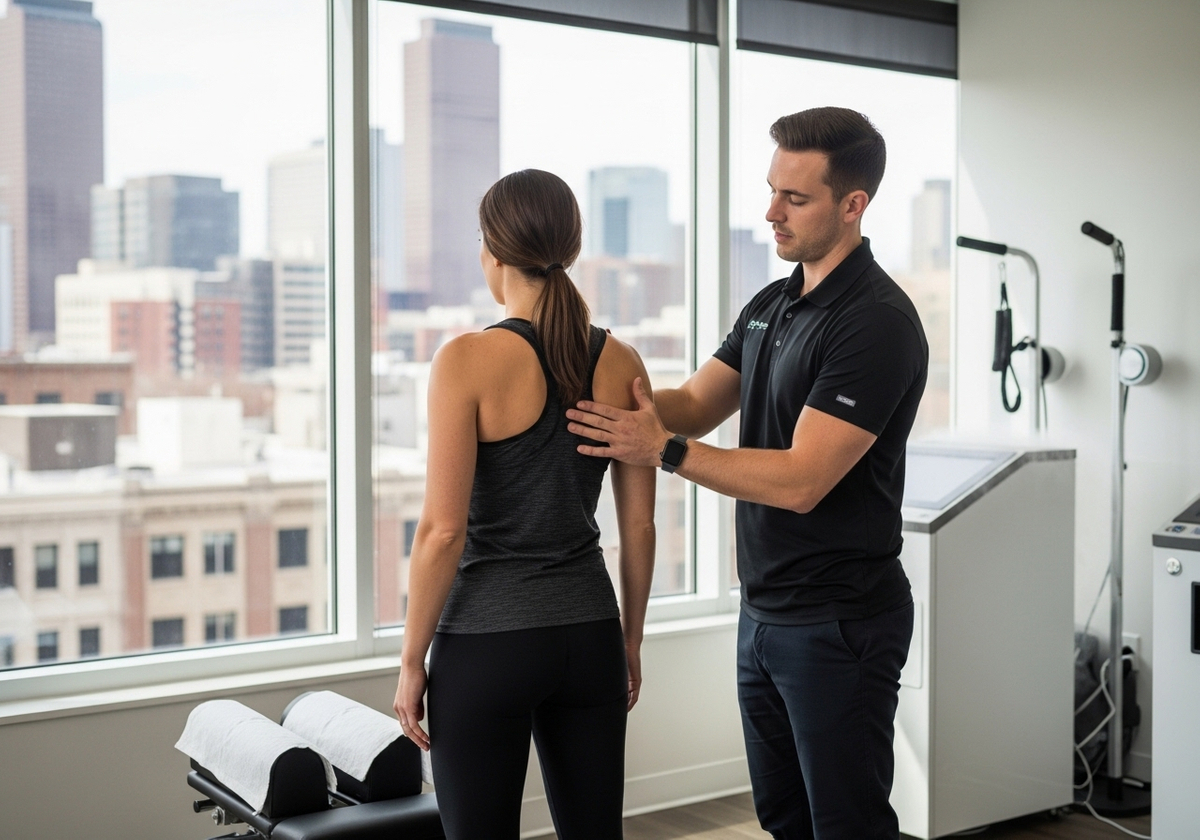
Living in Denver, the Mile High City, presents unique opportunities and challenges. The altitude of 5,280 feet above sea level can affect everything from athletic performance to everyday comfort. While many factors contribute to how well you adapt to the altitude, one often-overlooked aspect is the impact of posture on your breathing. Can better posture truly improve your breathing at this altitude, and how can chiropractic care in Denver play a role?

The Altitude Challenge: Breathing at 5,280 Feet
At higher altitudes, the air is thinner, meaning there is less oxygen available with each breath. This can lead to shortness of breath, fatigue, and decreased physical performance. To compensate, your body must work harder to get the oxygen it needs. Efficient breathing becomes even more critical in this environment.
The Posture-Breathing Connection
Posture plays a vital role in respiratory function. When you maintain good posture, your spine is properly aligned, allowing your rib cage to expand fully. This optimal expansion enables your lungs to fill completely with air, maximizing oxygen intake. Conversely, poor posture can restrict lung capacity and compromise breathing efficiency.
Slouching or hunching over compresses the chest cavity, limiting the space available for your lungs to expand. This can result in shallow, inefficient breathing, exacerbating the effects of altitude. By improving your posture, you can create more space for your lungs to function optimally, making it easier to breathe deeply and efficiently.
How Chiropractic Care Can Help
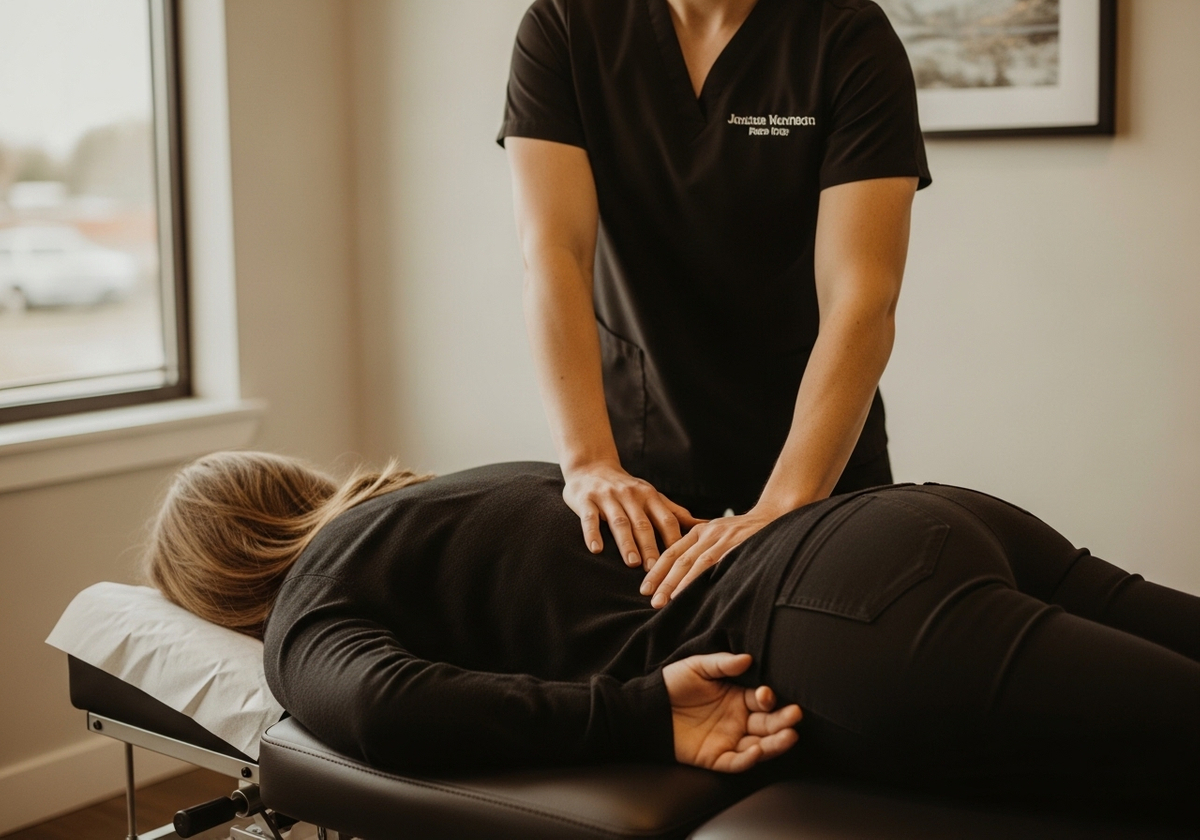
Chiropractic care in Denver offers a holistic approach to improving posture and breathing. Through gentle adjustments and targeted therapies, chiropractors can help restore proper alignment:
Restoring Spinal Alignment: Chiropractic adjustments help correct misalignments in the spine, relieving pressure on nerves and muscles that can affect breathing.
Improving Posture: Chiropractors provide guidance and exercises to improve posture, helping you maintain an upright position that supports optimal lung function.
Releasing Muscle Tension: Poor posture often leads to muscle tension in the neck, shoulders, and back. Chiropractic therapies can release this tension, allowing for a greater range of motion and easier breathing.
Enhancing Nervous System Function: Chiropractic care can help optimize nervous system function, which plays a crucial role in regulating breathing and other bodily functions.
Additional Strategies for Altitude Acclimation
While chiropractic care can be beneficial, it's essential to adopt a comprehensive approach to altitude acclimation. Here are some additional strategies to consider:
Stay Hydrated: Drink plenty of water to help your body function optimally at altitude.
Eat a Balanced Diet: Consume nutritious foods that support energy levels and overall health.
Get Enough Rest: Allow your body adequate time to rest and recover, especially when you first arrive at altitude.
Avoid Overexertion: Gradually increase your activity level to allow your body to adjust to the lower oxygen levels.
Consider Cryotherapy: Denver cryotherapy is a great way to help your body recover and manage pain.
At Denver Sports Recovery, we understand the unique challenges of living and staying active at high altitudes. Our integrated approach to pain relief and performance enhancement combines advanced techniques with personalized care to help you breathe easier and perform at your best. Contact us today to learn more about how our services can support your well-being and help you thrive in the Mile High City.